
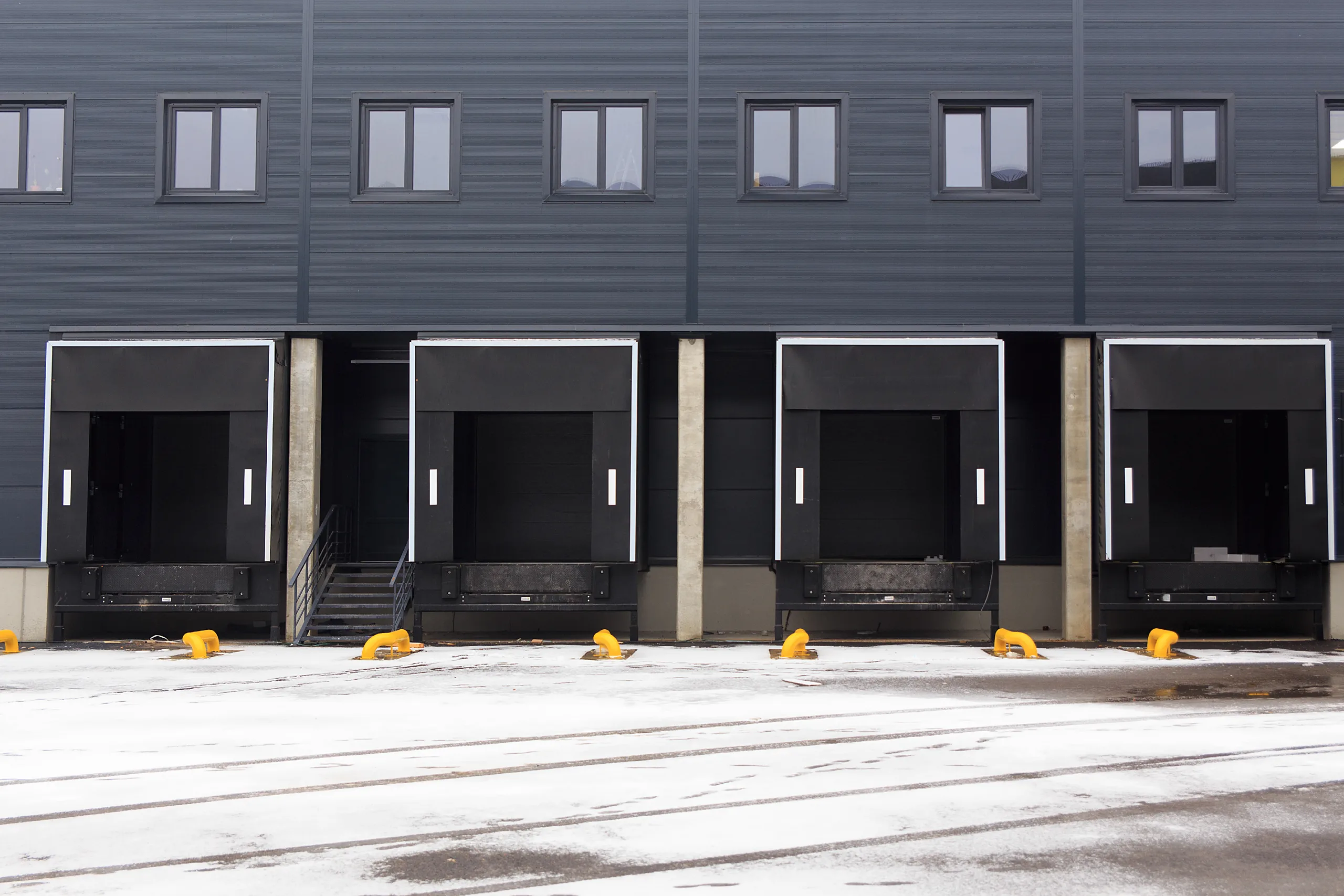
Industrial doors play a critical role in daily operations, yet they are often overlooked until problems arise. Implementing a preventative maintenance program is essential to ensuring consistent performance and avoiding costly disruptions.
Reducing Unexpected Downtime
Unplanned door failures can halt operations, delay shipments, and impact productivity. Regular inspections and maintenance help identify potential issues early, allowing businesses to address them before they escalate into major problems.
Extending Equipment Lifespan
Like any mechanical system, industrial doors experience wear and tear over time. Routine maintenance—such as lubricating moving parts, checking alignment, and replacing worn components—helps extend the lifespan of the door system and protects your investment.
Improving Safety Standards
Faulty doors can pose safety risks to employees and equipment. Preventative maintenance ensures that safety features, such as sensors and emergency stop functions, are working correctly. This reduces the likelihood of accidents and supports compliance with workplace safety standards.
Lowering Long-Term Costs
While maintenance requires an upfront investment, it significantly reduces long-term expenses. Preventing major breakdowns minimizes repair costs, avoids operational disruptions, and reduces the need for premature replacements.
Enhancing Operational Efficiency
Well-maintained doors operate smoothly and reliably, supporting seamless workflow. This is especially important in high-traffic environments where even minor delays can accumulate and impact overall efficiency.
Conclusion
Preventative maintenance is not just about fixing problems—it’s about preventing them. By adopting a proactive approach, businesses can improve reliability, enhance safety, and reduce operational costs, ensuring that their industrial doors continue to perform at their best.