
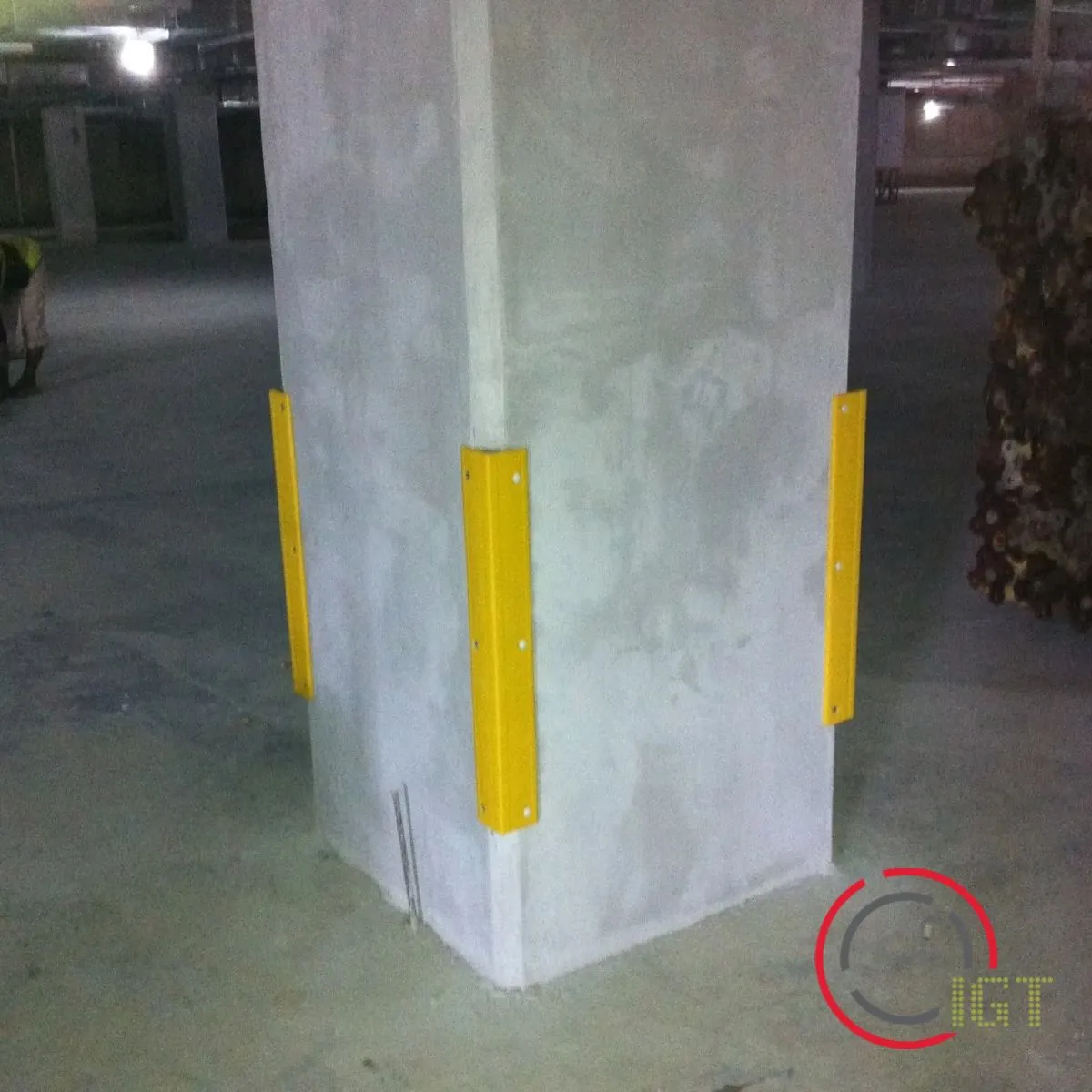
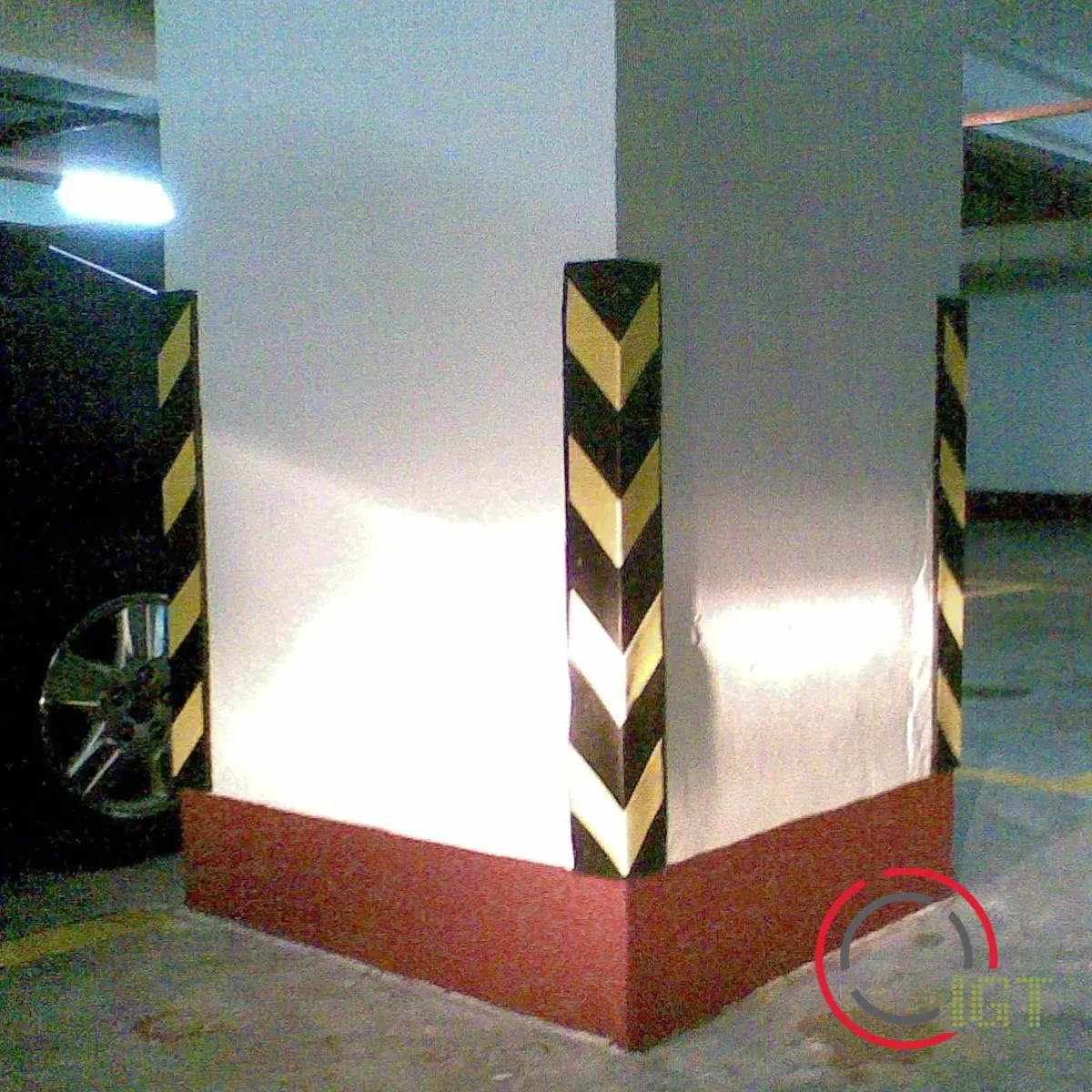
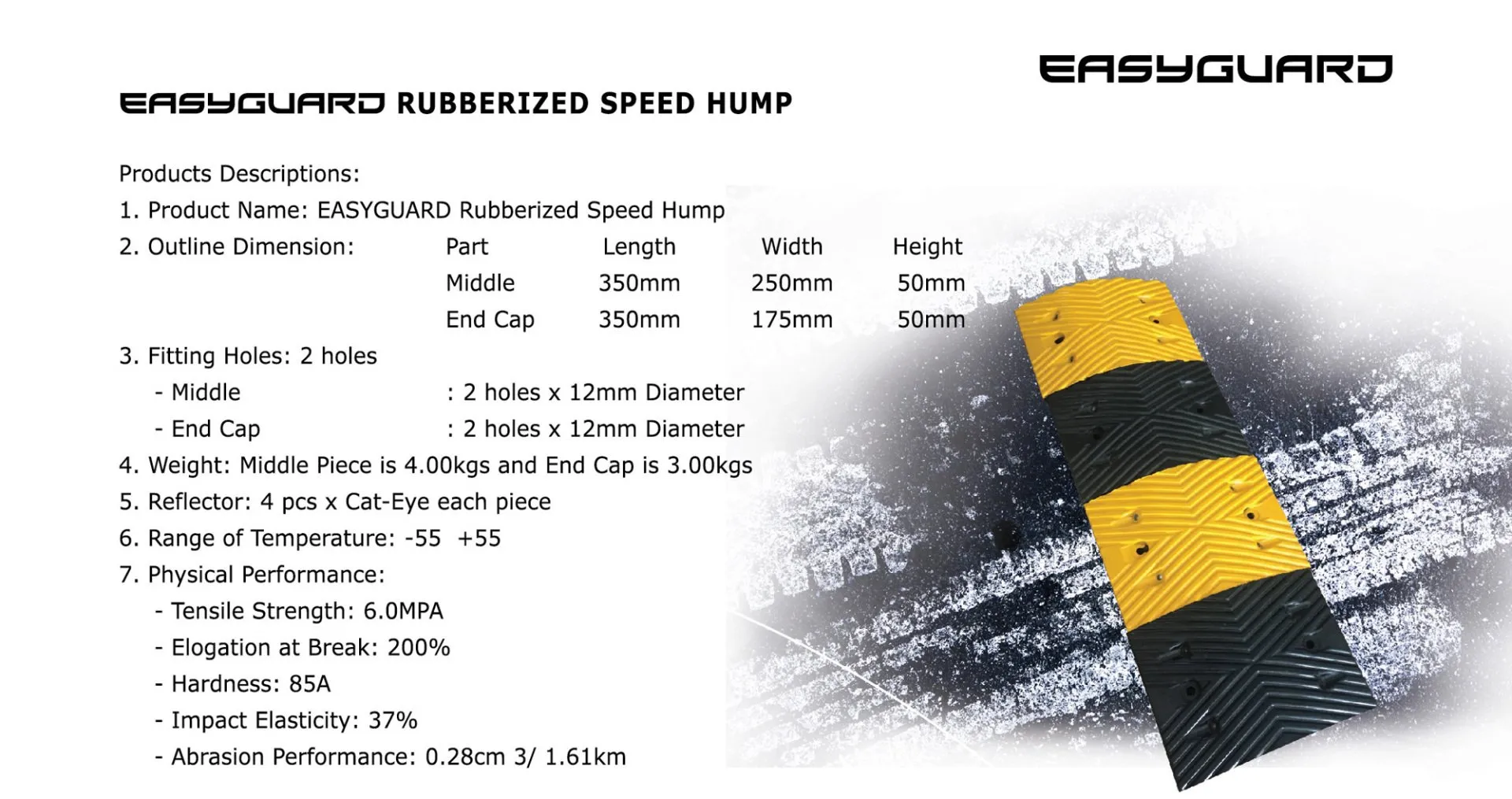
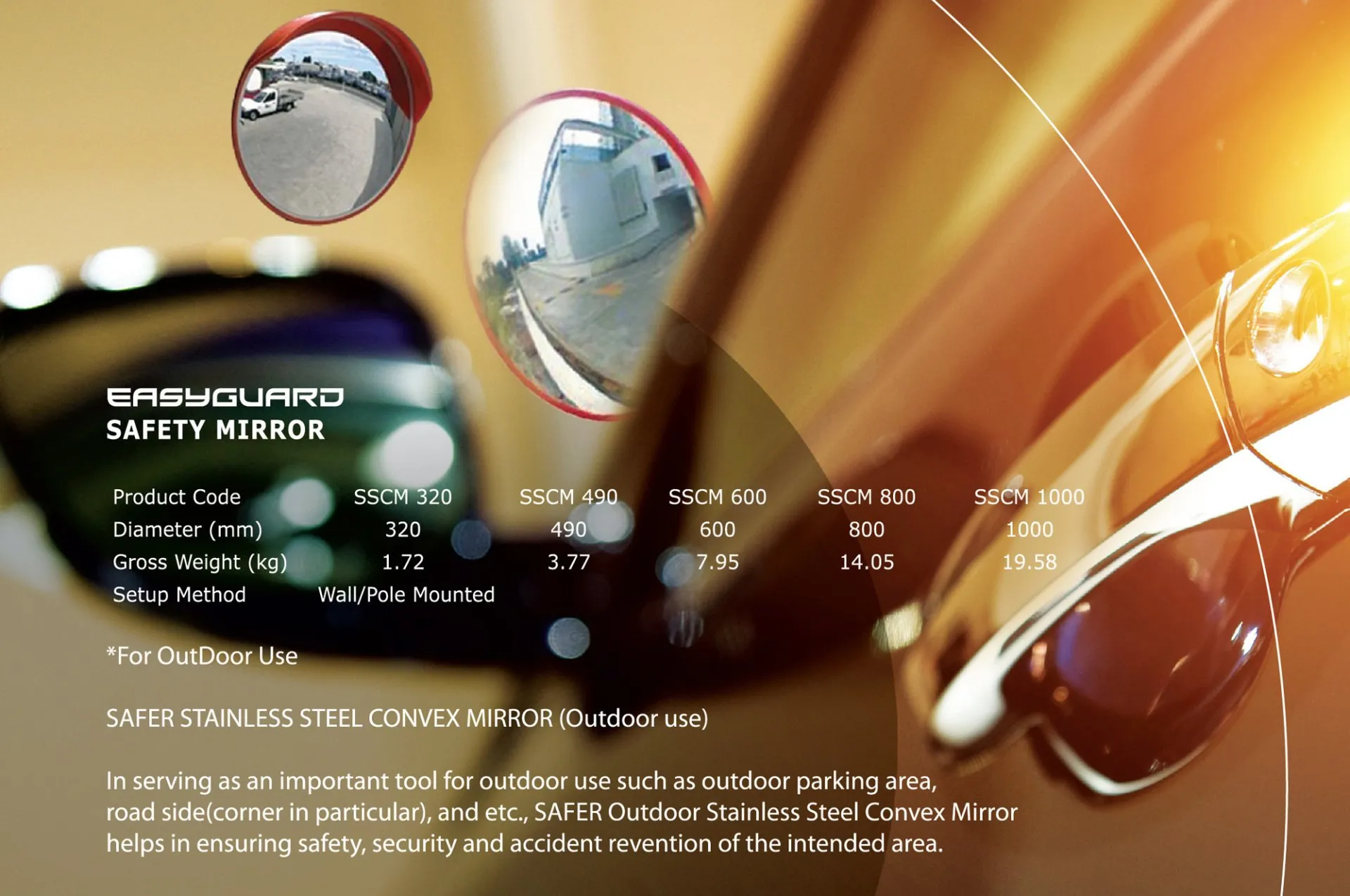
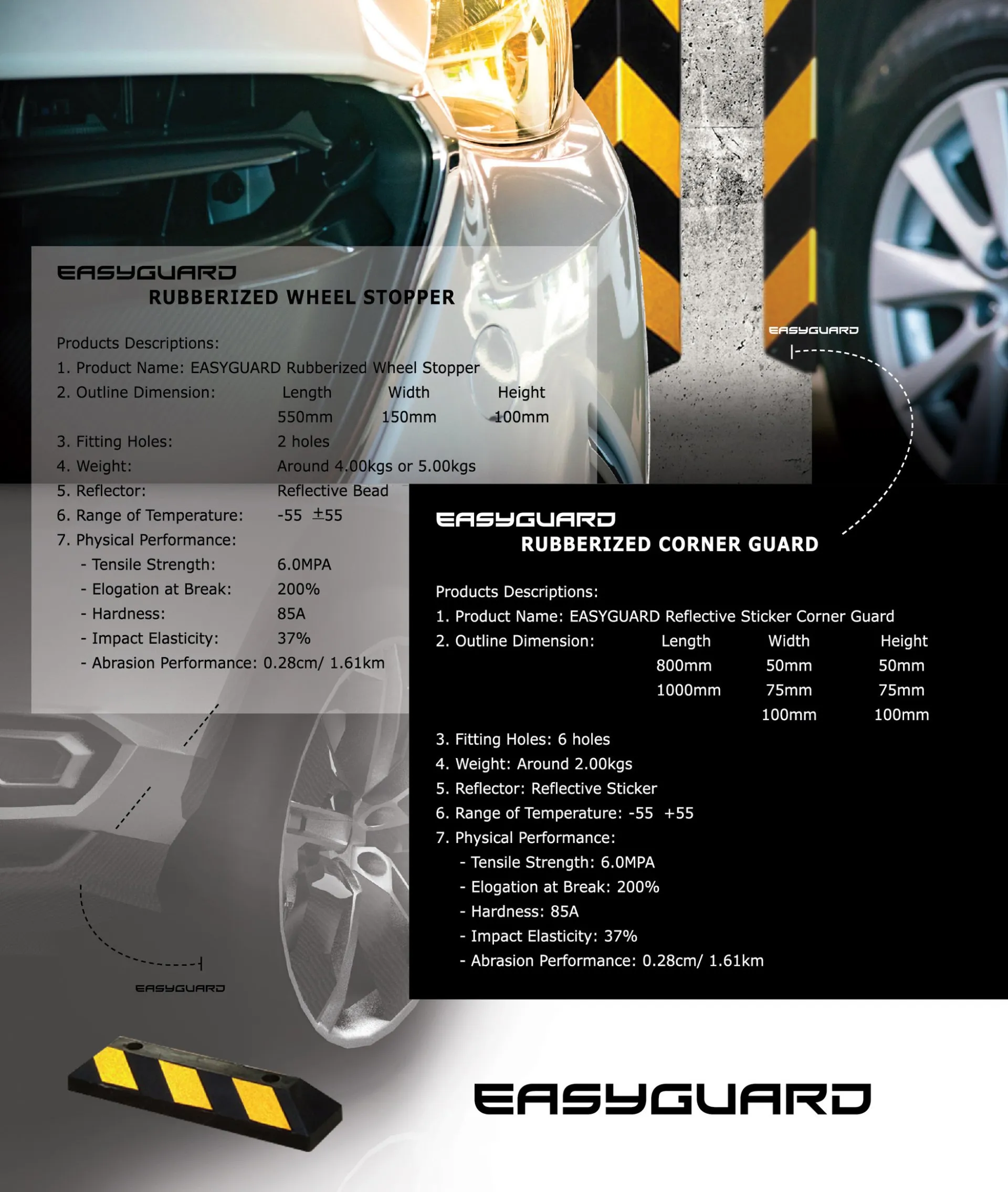
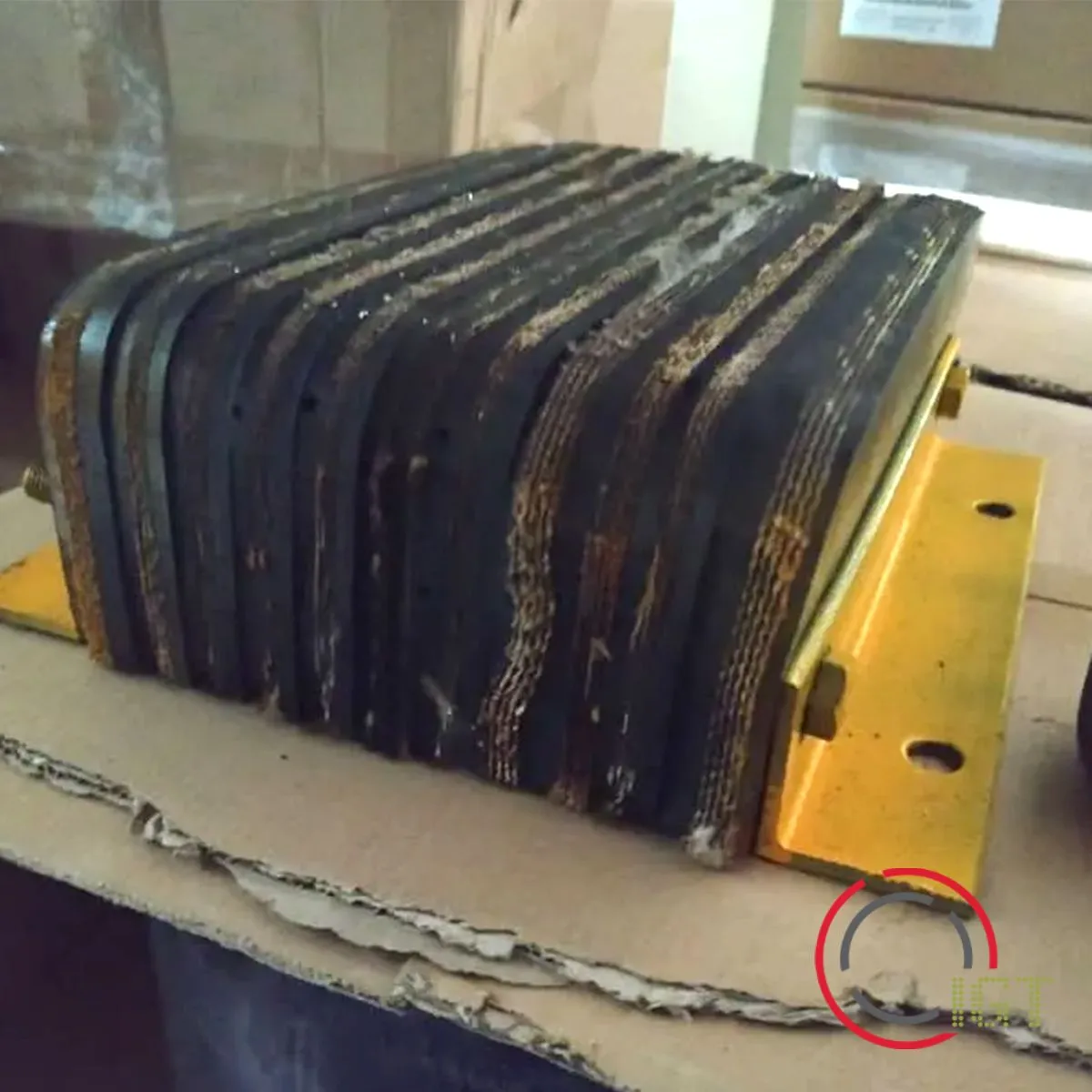
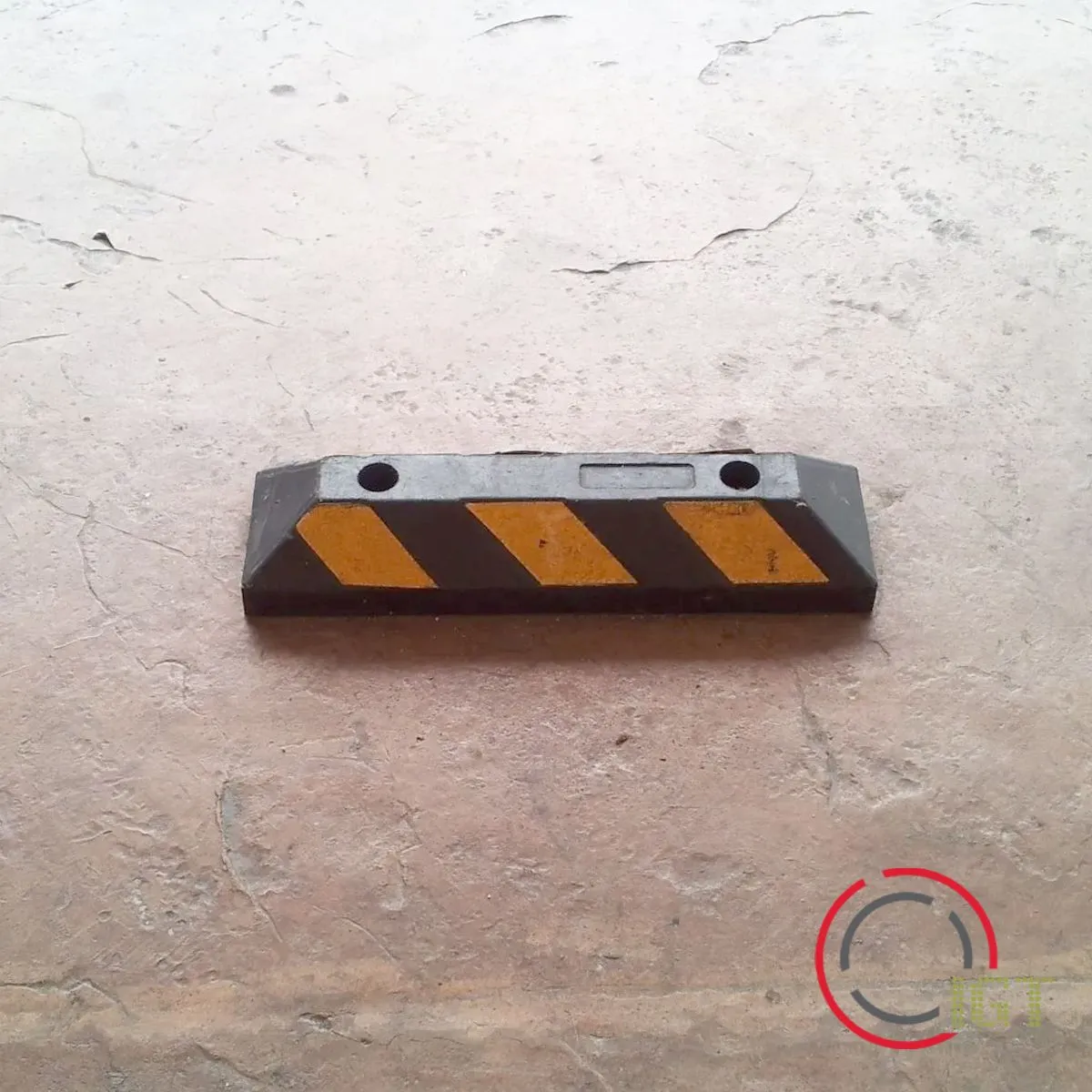
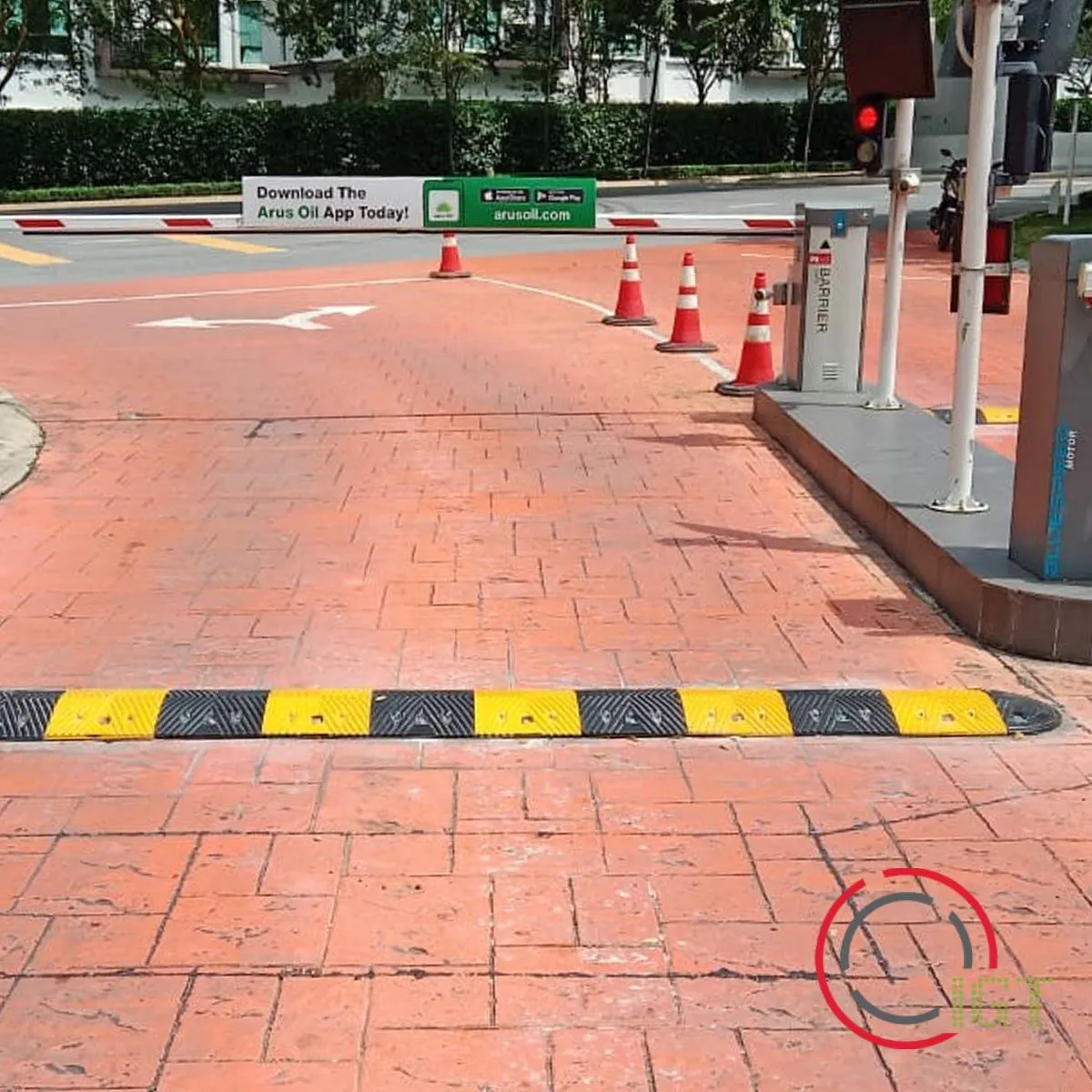
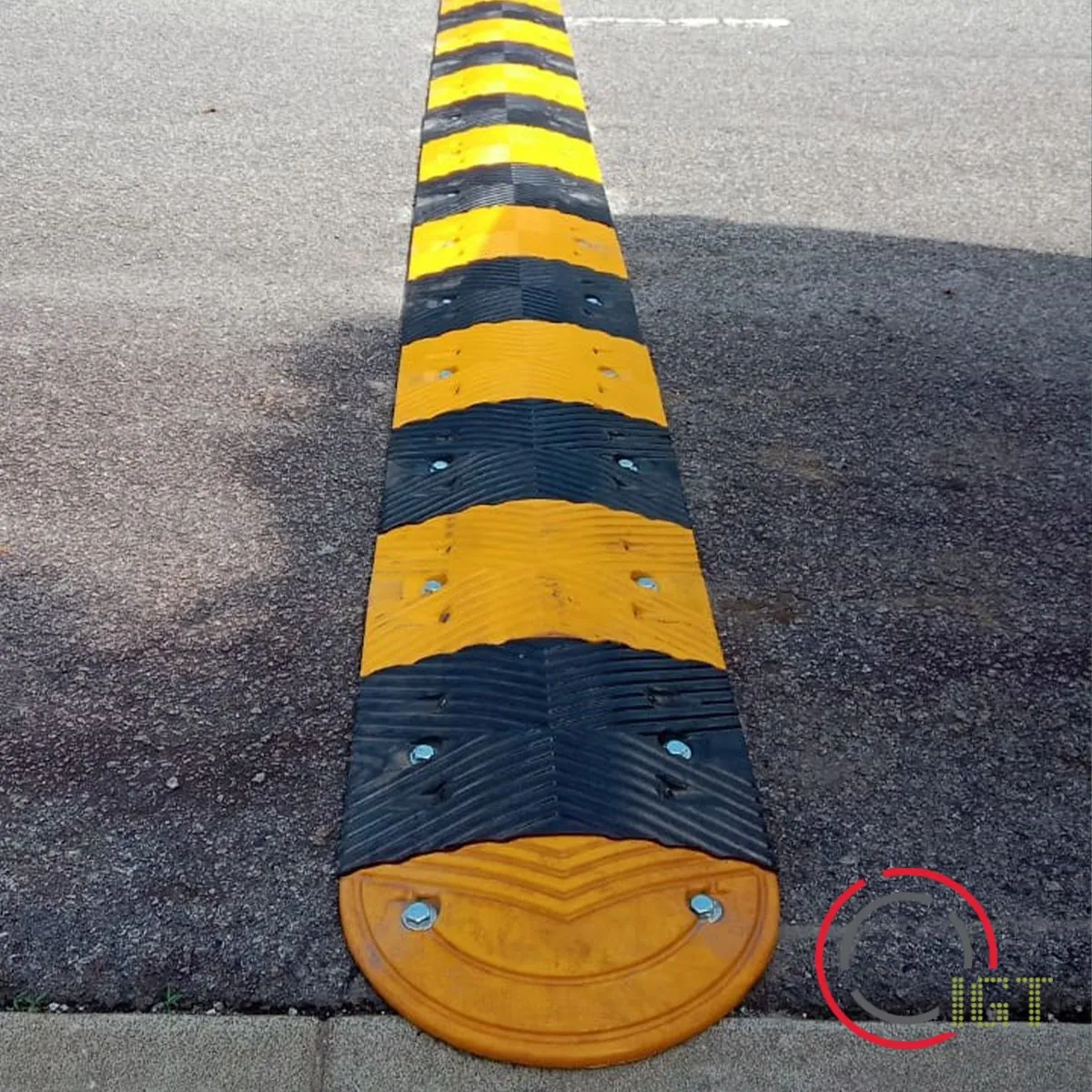
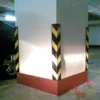
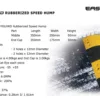


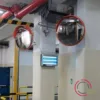
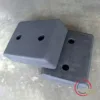


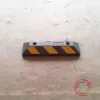


- Protects structures, vehicles, and other objects from damage caused by impacts
- Durable and long-lasting, requiring minimal maintenance and repairs
- Resistant to weather and UV radiation, making them suitable for outdoor use
- Can be customized to fit various sizes and shapes of objects
- Provides a cushioning effect, reducing the force of impact and minimizing damage
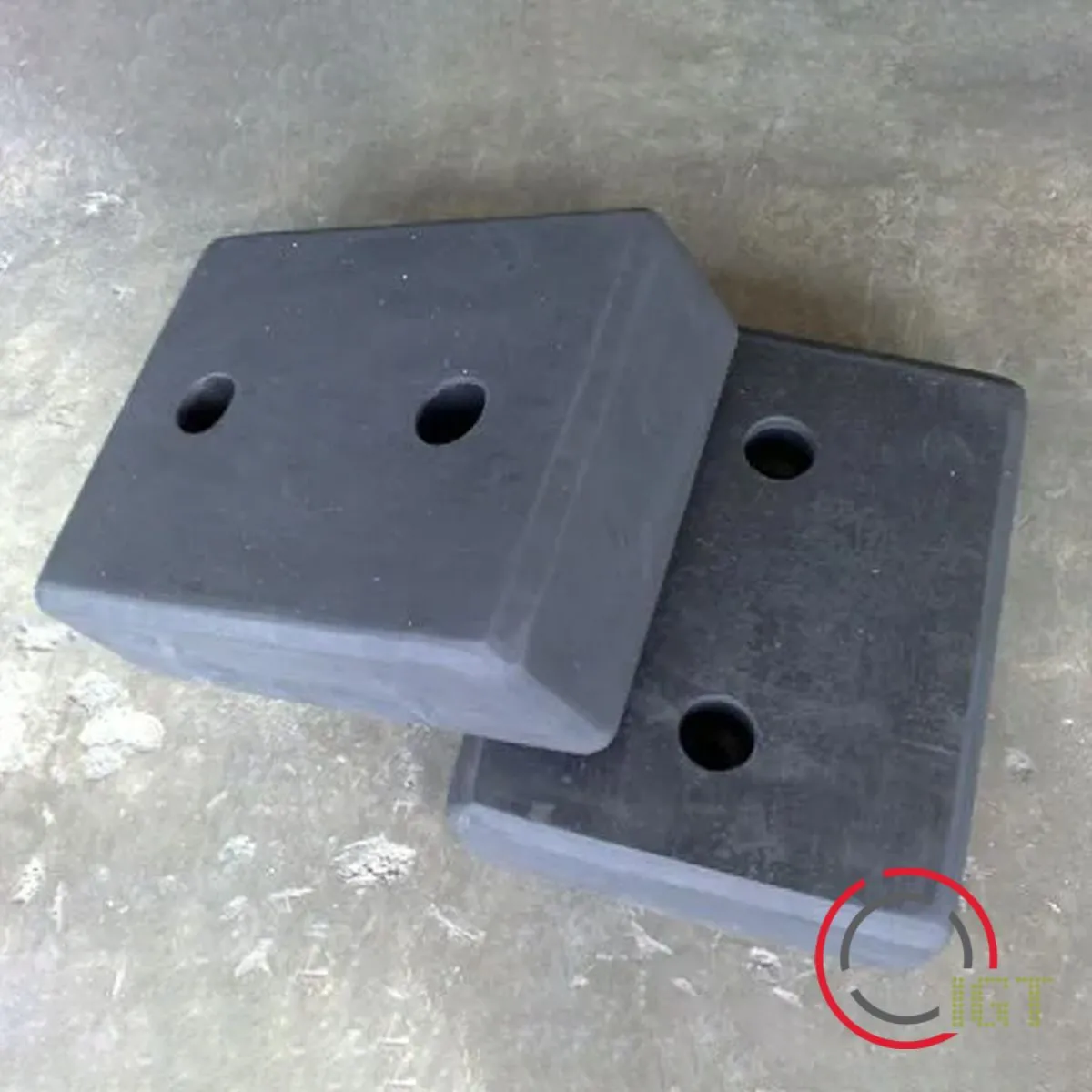
Rubber fenders are widely used in environments where impact protection is required to prevent damage to structures and equipment.
Warehouses and Distribution Centres
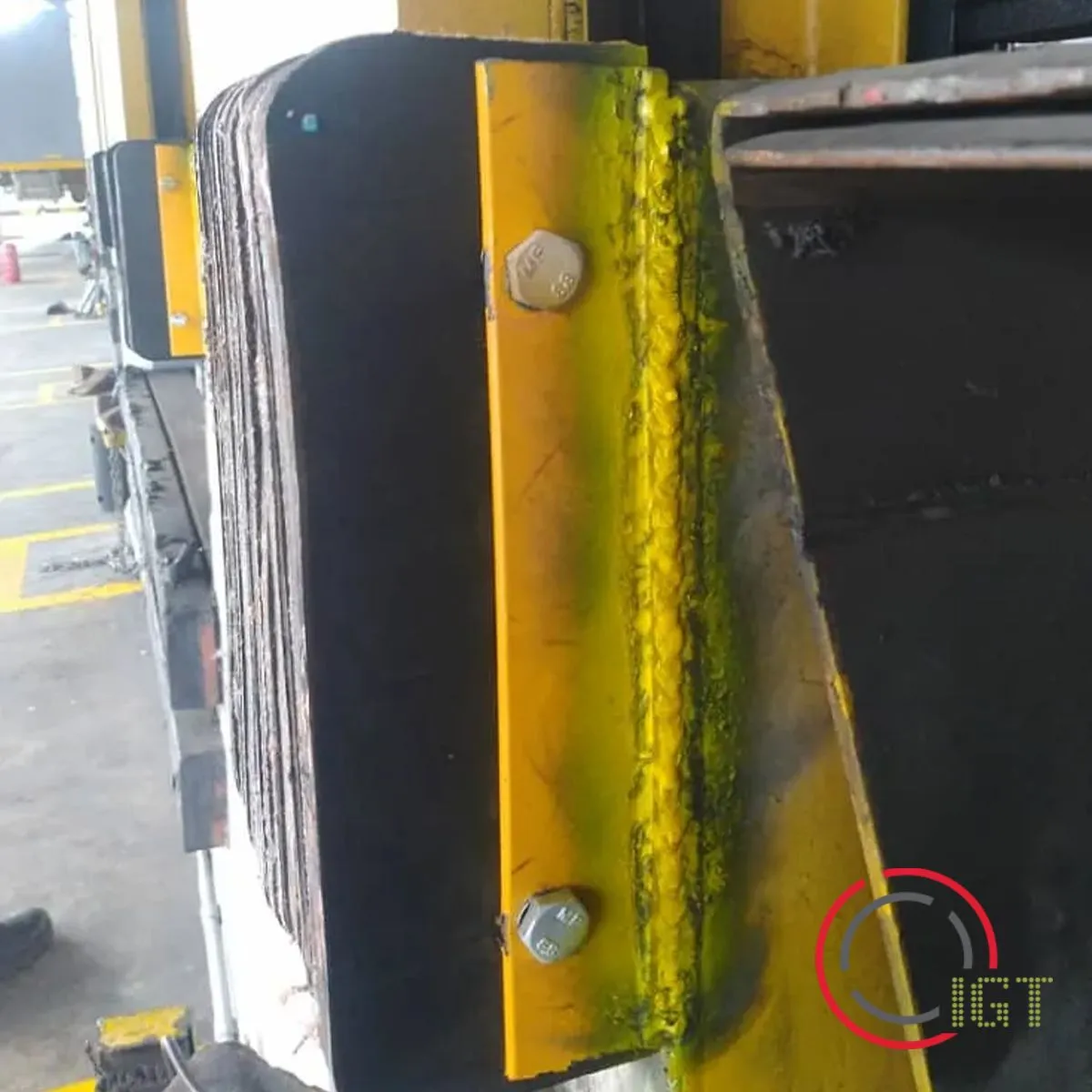
Used in loading and unloading areas to protect docks and walls from frequent vehicle impact.
Manufacturing and Production Facilities
Installed in factory loading zones to improve safety and reduce structural damage during operations.
Industrial Loading Docks
Essential for safe and efficient loading operations involving trucks, forklifts, and delivery vehicles.
Why Rubber Fender is Important
Rubber fenders help reduce structural damage, improve workplace safety, and lower maintenance costs in industrial facilities. Their durable and weather-resistant design makes them suitable for both indoor and outdoor loading environments.
How to Choose the Right Rubber Fender
The right rubber fender depends on the type of impact, vehicle size, and installation environment.
For loading docks with frequent truck and forklift activity, heavier-duty rubber fenders are recommended to absorb repeated impact and protect structural surfaces.
For lighter industrial use, standard rubber fenders are sufficient to provide basic protection against accidental collision.
In most cases, installation requirements and mounting position will determine the most suitable rubber fender type. IGT Group can assist in recommending the right rubber fender based on your site conditions and operational requirements.
Need Rubber Fender Installation in Malaysia?
IGT Group supplies and installs rubber fender systems for warehouses, factories, and industrial facilities across Malaysia.
Contact us for product recommendation and installation support
Frequently Asked Questions (FAQs)
What is a rubber fender used for?
Rubber fenders are used to absorb impact and protect loading docks, walls, buildings, vehicles, and equipment from collision damage. They are commonly installed in warehouses, factories, and loading bays where trucks and forklifts operate frequently.
Where are rubber fenders commonly installed?
Rubber fenders are commonly installed at loading docks, warehouse entrances, distribution centres, manufacturing facilities, and other industrial areas where impact protection is required.
How do I choose the right rubber fender?
The right rubber fender depends on the type of vehicles using the dock (forklifts, rigid trucks, or container trucks), docking frequency, impact force, and installation surface condition. High-traffic loading docks or facilities handling heavy container trucks typically require larger, heavy-duty rubber fenders to withstand repeated impact and protect structural edges.
What size rubber fender do I need for my loading dock?
The size of a rubber fender depends on the dock height, vehicle bumper height, and level of projection required to absorb impact effectively. For larger trucks or container loading bays, longer and thicker rubber fenders are usually required to ensure sufficient protection between the vehicle and dock structure.
Can rubber fenders be installed on existing loading docks?
Yes. Rubber fenders can typically be installed on both new and existing loading docks, making them a practical upgrade for facilities looking to improve dock protection and operational safety.
Can rubber fenders be customised for different loading dock requirements?
Yes. Rubber fenders are available in various sizes and mounting configurations to suit different loading dock layouts and operational requirements. The appropriate specification will depend on the level of impact protection required.
Are rubber fenders suitable for outdoor use?
Yes. Rubber fenders are designed to withstand outdoor environments and are resistant to weather, moisture, and UV exposure. This makes them suitable for loading docks, warehouses, and industrial facilities where long-term durability is required.
How often should rubber fenders be replaced?
Rubber fenders are designed for long-term industrial use and typically only require replacement when excessive wear, cracking, or impact damage affects their performance. Regular inspections can help identify when replacement is necessary.
Does IGT Group provide site assessment and installation support?
Yes. IGT Group provides consultation, site assessment, supply, and installation support for rubber fender systems across Malaysia to help ensure the most suitable solution for each facility.


